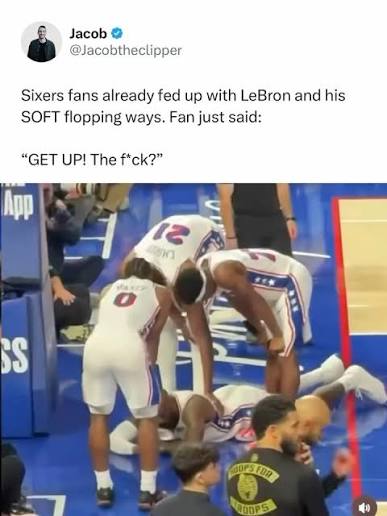
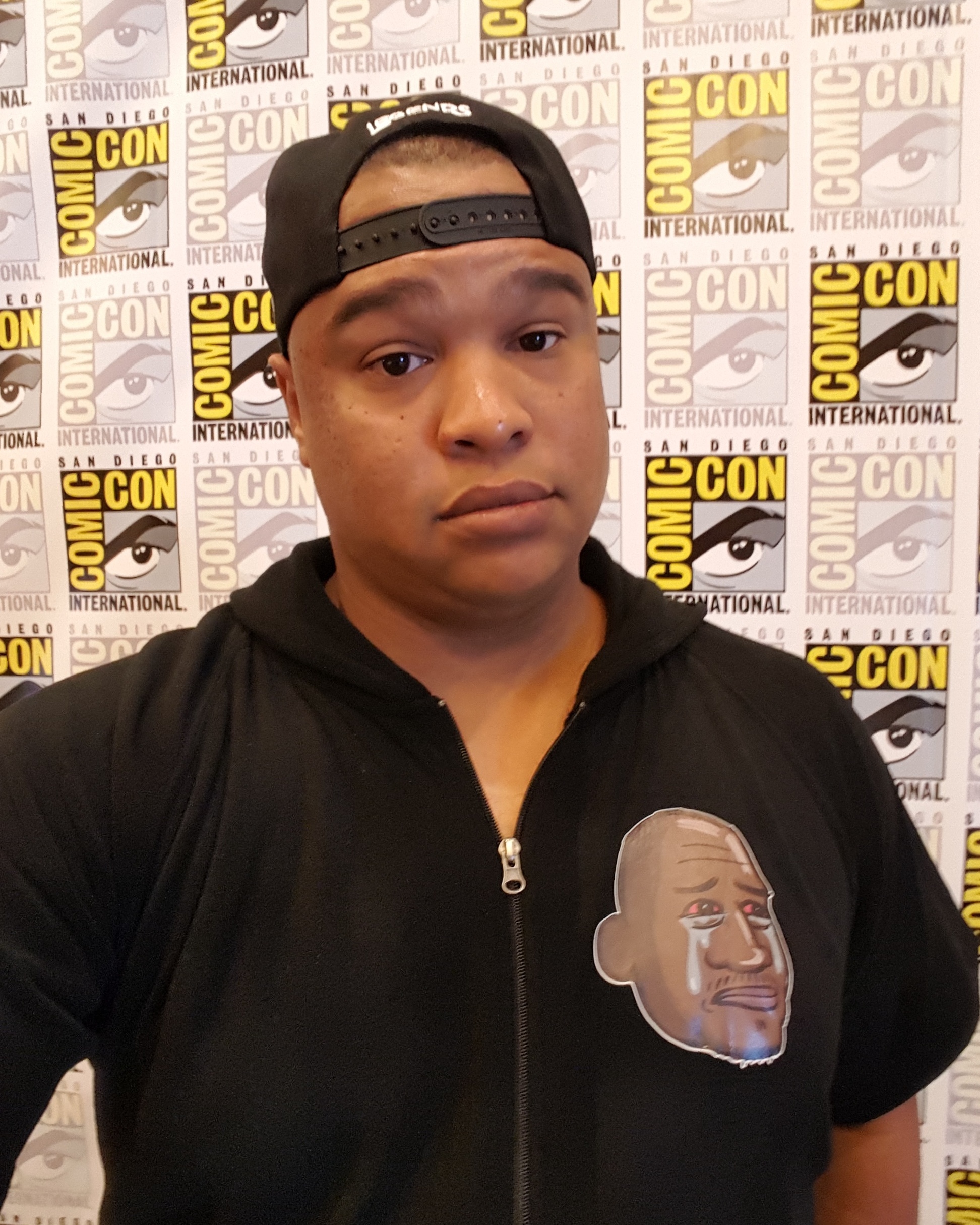
The relationship between athletes, sports agencies and sports media is becoming an increasingly important conversation in basketball.
Now, Josiah Johnson, co-host of Gil’s Arena, is at the center of that discussion following a viral social media clip that has prompted questions about his reported connection to Klutch Sports.
The clip, circulated on X, has drawn criticism from basketball fans who question whether commentators covering the NBA can maintain editorial independence while having professional relationships with organizations connected to the athletes they discuss.
The Klutch Sports Connection
Klutch Sports Group, founded by Rich Paul in 2012, has grown into one of the most influential athlete representation and sports business organizations.
Its reach extends beyond traditional player representation. According to its official profile through United Talent Agency, Klutch operates in broadcast and media representation, athlete marketing, content and creative, branding, and global partnerships.
That broader business footprint makes transparency especially important when discussing the relationships between sports personalities, agencies and athletes.
The viral clip is generating questions about Johnson’s relationship with Klutch. However, the available material does not independently establish the precise nature of his employment or contractual arrangement with the agency.
That distinction matters.
Working with an agency, representing its clients, producing content for its athletes and receiving compensation from the agency are different professional relationships.
Why LeBron James Is Part of the Conversation
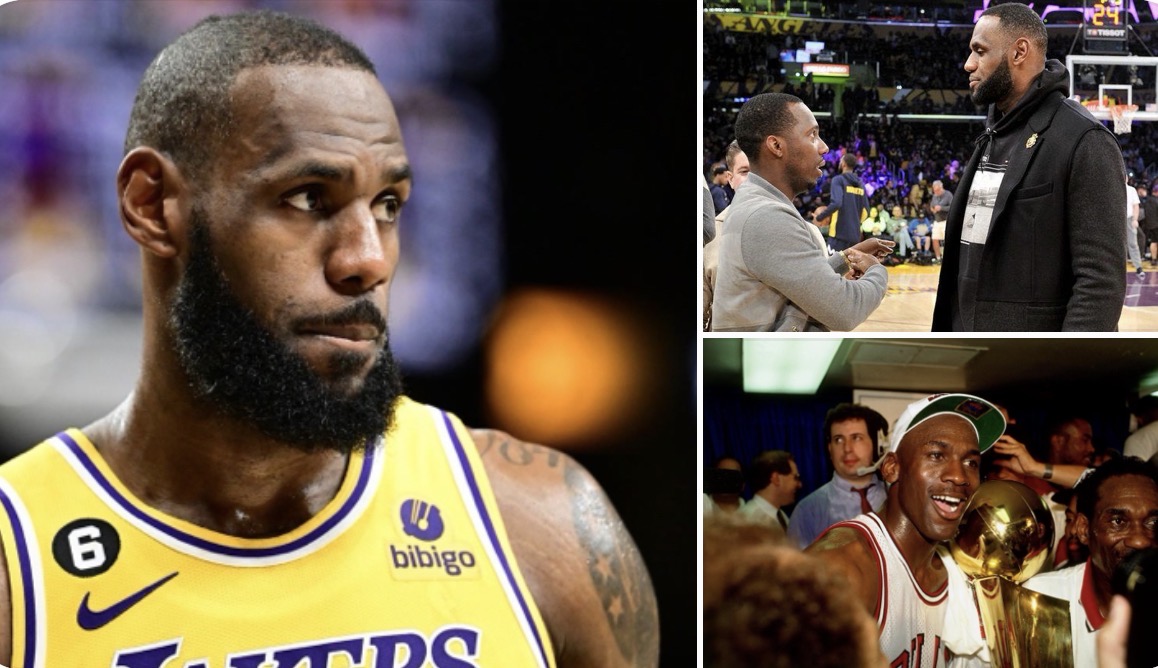
For years, the debate over whether LeBron James or Michael Jordan deserves recognition as basketball’s greatest player has generated enormous attention.
LeBron’s supporters point to his longevity, statistical accomplishments, championships and ability to remain among the NBA’s most prominent players across multiple generations.
Jordan supporters emphasize on court dominance on both sides of the ball, his six championships, six Finals MVP awards, undefeated record in the NBA Finals , the fact he achieved more than James in far shorter time and cultural impact on basketball.
But when commentators have professional relationships with organizations connected to the athletes being discussed, audiences deserve to understand those relationships.
That doesn’t automatically invalidate someone’s opinion. It does, however, it can call into question said media member’s ability to offer objective, critical analysis of players when business ties to that player is in the background.
Sports Media Needs Transparency
The relationship between athletes and media personalities has changed dramatically.
Athlete-led podcasts, independent sports shows, branded content and direct-to-consumer media platforms have created new opportunities for commentators and former players.
Gil’s Arena itself has gone through major business changes. Gilbert Arenas relaunched the program in September 2026 with Playmaker, bringing back Johnson alongside Nick Young and adding other personalities to the lineup.
Meanwhile, a November 10 episode of Get TO The Point featured Johnson discussing his work with LeBron James, his career in sports media and the LeBron-Jordan debate.
These developments illustrate why audiences increasingly want to know who is funding, producing and influencing the sports content they consume.
The sporting fan needs to know if business ties with athletes is exerting undue influence on how media members perform their job. A journalist’s most important attribute is his integrity and any connections that causes that to come into question can only have a deleterious effect how their work is perceived and interpreted.
The Bigger Question: Can Fans Trust the Commentary?
Sports media personalities have every right to support their favorite players.
They also have every right to disagree with conventional basketball opinions.
But audiences should be able to distinguish independent analysis from sponsored messaging, advocacy and business relationships.
If a commentator has a financial or professional relationship with an agency representing a player who frequently comes up in their commentary, that relationship deserves transparency.
And that standard should apply regardless of whether the player is LeBron James, Michael Jordan or anyone else.
Ultimately, the credibility of sports media depends on audiences believing that the opinions they hear are genuinely the opinions being expressed.
The Sneaker Shop Talk Verdict
Fans shouldn’t have to guess whether they’re listening to independent basketball analysis or commentary influenced by business relationships.
Disclosure doesn’t make an opinion invalid. It gives the audience the information needed to evaluate it.